
Launch of the World Map on Cooperative Cultural Heritage, Brasilia, Brazil
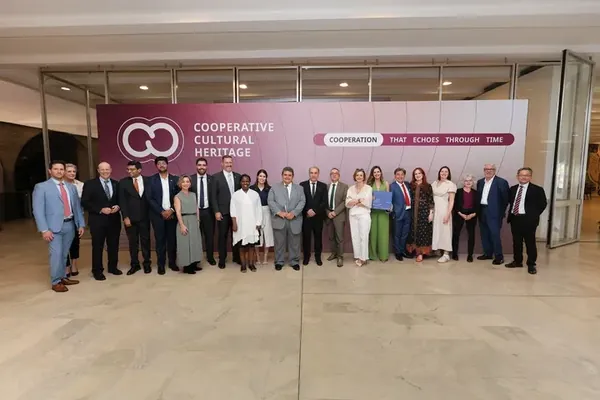
The ceremony launched initiatives that value the cultural legacy of cooperatives.
The cooperative movement gained new milestones of cultural appreciation this Wednesday (12), in Brasília. During a ceremony at the Itamaraty Palace, the Map of Cooperative Cultural Heritage, the book Cooperatives of Brazil: portraits of a Cooperativism gains global map and historical book in celebration at Itamaraty.better world and the trailer for the documentary Stories of a better world were launched , productions that are part of the movement's legacy for the International Year of Cooperatives , celebrated by the UN in 2025.
The initiatives combine memory, identity, and innovation, highlighting how cooperatives shape more sustainable, inclusive, and supportive communities.
A living map of cooperation
In 2016 (four years after the International Year of Cooperatives 2012), UNESCO recognized the idea and practice of organizing cooperative interests as Intangible Cultural Heritage of Humanity, paving the way for institutionalizing the movement's cultural legacy and projecting it into the future. The Map emerges not only as an inventory, but as an instrument that recovers and values the historical and symbolic landmarks of our cooperative identity, preserving the memory, identity, and legacy of our movement, with international standards that preserve authenticity, participation, inclusion, and sustainability.
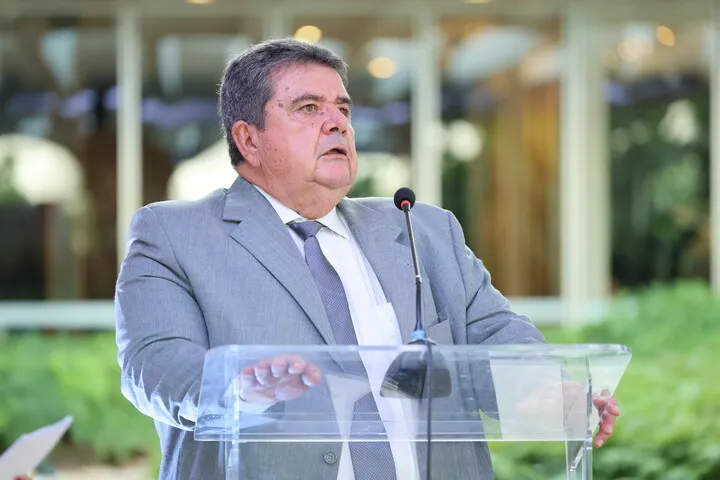 Márcio Lopes de Freitas, president of the OCB System and mentor of the ICA Working Group on Cooperative Cultural Heritage.It is part of the Cooperative Cultural Heritage Programme (CCH Programme), developed by the ICA, with mentoring from the Cooperativism gains global map and historical book in celebration at Itamaraty.OCB System. The digital platform brings together 31 sites in 25 countries, representing places, institutions and traditions that symbolize the historical and social legacy of cooperativism, a true "living map" of cooperation in the world. This will be the first stage of the site. The long-term goal of the Working Group is to continue populating the portal with other sites important to cooperativism, later including intangible heritage.
“The map, the book, and the exhibition show what is most human about cooperativism: its capacity to transform realities, generate a sense of belonging, and inspire new generations,” highlighted Márcio Lopes de Freitas, president of the OCB System and mentor of the ICA Working Group on Cooperative Cultural Heritage.
In his speech, Márcio also celebrated Brazil's leading role in the global cooperative agenda: “Cooperativism is a business model based on people. Our main capital is people. And that's why I say: economic development may be individual, but prosperity only exists when the entire community improves. Cooperatives have been able to do this all over the world,” he stated.
The president of ACI, Ariel Guarco, emphasized the historical and symbolic dimension of the initiative, which involved the work of the Cooperativism gains global map and historical book in celebration at Itamaraty.Cooperative Cultural Heritage Group over the course of a year.
“The map that comes to life here in Brasília today is not just a collection of historical sites. It is a cartography of the cultural impact that cooperativism has left on the world; each site is a living testament to solidarity, creativity, and collective commitment,” he declared.
 The president of ACI, Ariel GuarcoAmbassador Laudemar Gonçalves de Aguiar Neto, Secretary for Trade Promotion, Science, Technology, Innovation and Culture at Itamaraty (Brazil's Ministry of Foreign Affairs), highlighted the importance of the event for the institutional recognition of cooperativism: “The launch of the map and the exhibition marks a relevant moment for the recognition of the contribution of cooperatives to society. The cooperative model has demonstrated the capacity to promote social inclusion, sustainable development and community strengthening, offering democratic and solidarity-based responses to the challenges of our time.”
Cooperativism gains global map and historical book in celebration at Itamaraty.During the event, Tiago Schmidt, president of Sicredi Pioneira and the mastermind behind the map project, recalled that the proposal stemmed from a desire to give visibility to the roots of the cooperative movement. “Cooperativism has survived the centuries because it was born from the strength of education, identity, and solidarity. Just as there are squares and monuments that preserve the history of humanity, cooperativism also has its territories of memory and hope. This map is a way to honor our forerunners and inspire future generations,” he said.
Representing the Ministry of Agrarian Development and Family Farming (MDA), the Director of Cooperativism, Eduardo Pagot, highlighted the partnership with the OCB System and the strengthening of public policies aimed at cooperativism. “The MDA and the OCB System have been working side-by-side because our policies intersect in strengthening family farming and cooperativism as a whole. Programs like Mais Gestão and Cooperar Brasil are concrete examples of this collaboration, which has broadened the social and economic impact of cooperatives.”
Knowledge, exchange and legacy
Cooperativism gains global map and historical book in celebration at Itamaraty.During the presentation of the map portal, the ACI's Director of Legislation, Santosh Kumar, highlighted that the program aims to be more than just a database. “This is a living project that combines memory, exchange, and learning. We want to build a space for training and inspiration between generations, promoting exchanges between countries and creating opportunities for young cooperative leaders. Our goal is for the program to become financially sustainable, supported by educational tourism and leadership experiences.”
The Director-General of the ICA, Jeroen Douglas, emphasized that the launch represents an important step in the global recognition of cooperative culture: “We are showing that the role of cooperatives in promoting culture is, in itself, a pillar of sustainable development. UNESCO has already recognized that cooperation is a living evolution of human solidarity, and this program is proof that this legacy Cooperativism gains global map and historical book in celebration at Itamaraty.continues to be built upon,” he stated.
