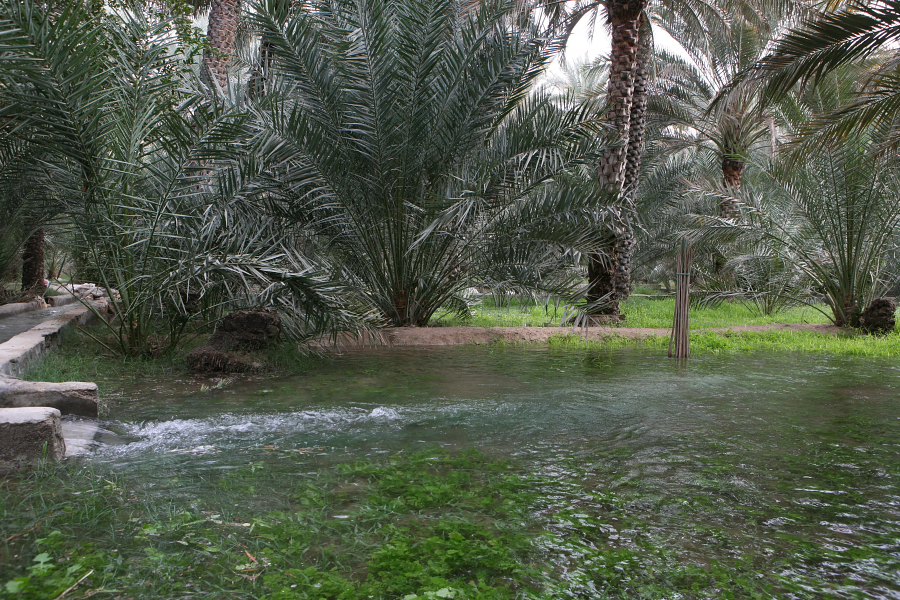

Al Aflaj in the United Arab Emirates is a traditional irrigation network in which underground tunnels and surface channels convey water by gravity from source areas to settlements and farms. The heritage includes oral traditions, knowledge of locating water, construction and maintenance skills, and rules for equitable distribution. Community members participate in clearing tunnels and maintaining the system, and knowledge has been transmitted through instruction and shared experience for generations.
The official UNESCO inscription decision describes the social principle of the system with unusual clarity. It states that communal water use and equitable distribution are based on communal endeavour, agreement, cooperation and mutual respect, and that these practices promote cohesion within local communities. The record also identifies an Al Aflaj committee made up of experienced senior community members. An earlier examination of the element stressed that the system could promote dialogue about water distribution, including the need for cooperation and dispute resolution in difficult climatic conditions.
This makes Al Aflaj one of the strongest examples in the CCH register of cooperation embedded in resource governance rather than in a modern enterprise form. The irrigation network functions only because users accept shared obligations: water must be distributed according to agreed rules, channels must be maintained collectively and knowledge must remain transmissible.
Al-Aflaj’s heritage value is therefore simultaneously technical and institutional. In an arid environment, equitable allocation is also a form of peace infrastructure. By turning scarcity into a governed common resource, Al Aflaj provides a living example of how cooperation, mutual respect and locally legitimate institutions can reduce conflict and sustain community life over long periods.
Featured Criteria
Criterion 5. Living Practice of Cooperation
Sites shall embody cooperation as a living tradition, encouraging participation, democratic practice, and mutual aid, beyond static commemoration.
Criterion 8. Community and Member Engagement
Sites shall be embedded within their communities, ensuring active participation, ownership, and collective stewardship by local members and residents.
Criterion 12. Sustainability and Inclusivity
Sites shall embody cooperative values of social and environmental sustainability, including, gender equity, youth engagement, and cultural diversity.
Learn More