
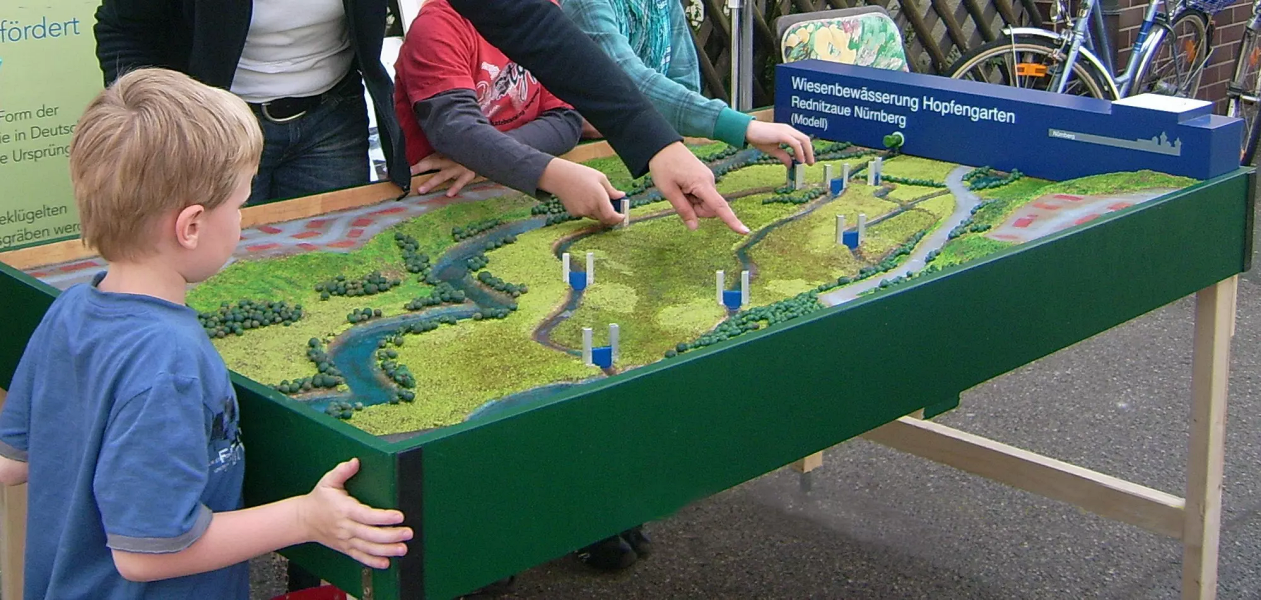

Traditional irrigation is a living body of knowledge, technique and social organisation built around the gravity-fed distribution of water through channels and ditches. Practitioners read landscape, water flow, weather and seasonal conditions; they choose watering periods, divert flows manually and maintain physical structures whose functioning depends on coordinated labour. The beginning or end of the watering season is often accompanied by social gatherings and local customs that reinforce the system’s place in community identity.
The official inscription text explicitly describes the institutional role of cooperation. It states that traditional irrigation requires close cooperation between farmers and landowners responsible for water distribution and the people who maintain the infrastructure, including water cooperatives and local authorities. It further notes that cooperatives and associations, alongside scholars and institutions, play an important role in transmitting the knowledge to younger generations. This language is especially important for cooperative cultural heritage because it locates cooperation inside the functioning and transmission of the practice itself.
The heritage therefore resides in more than channels. It lies in the rules, labour, trust and organisations through which users govern interdependence. No single farmer can maintain the whole system or secure a reliable flow without others observing shared arrangements. Traditional irrigation is consequently a powerful example of common-resource governance: scarcity is managed through predictable duties and collective stewardship rather than unilateral appropriation. These arrangements also have a peace dimension. By making access, maintenance and responsibility legible to all participants, the system creates institutions through which competing needs can be negotiated and water can remain a shared resource rather than a recurring source of conflict.
Featured Criteria
Criterion 5. Living Practice of Cooperation
Sites shall embody cooperation as a living tradition, encouraging participation, democratic practice, and mutual aid, beyond static commemoration.
Criterion 8. Community and Member Engagement
Sites shall be embedded within their communities, ensuring active participation, ownership, and collective stewardship by local members and residents.
Criterion 12. Sustainability and Inclusivity
Sites shall embody cooperative values of social and environmental sustainability, including, gender equity, youth engagement, and cultural diversity.
Learn More