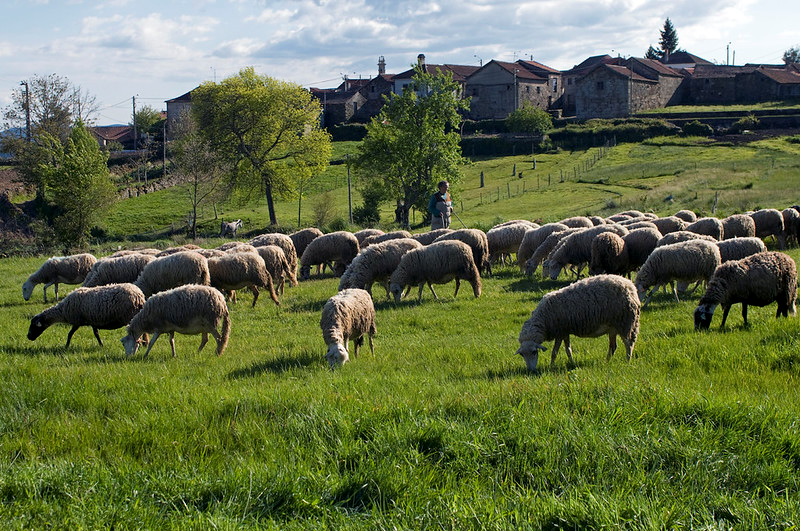

Barroso, in northern Portugal, is a mountainous agricultural territory shaped by livestock, rye and potato cultivation, forests, meadows and extensive grazing. Its cultural landscape reflects a long relationship between households and communal resources. Permanent pastures, rough grazing areas and village-based practices have allowed communities to combine animal husbandry with agriculture and forestry in conditions where intensive farming would be poorly suited to the terrain.
The heritage significance lies as much in social organisation as in land use. Pastoral systems require routes, seasonal understandings, shared access and rules governing resources that cannot be managed efficiently as isolated fragments. Traditional knowledge concerns animal breeds, soils, fodder, water, weather and the timing of agricultural operations. The resulting landscape is therefore a record of accumulated community decisions rather than a purely natural scene.
For cooperative cultural heritage, Barroso is relevant as a landscape of mutual dependence. Common-resource management, collective labour traditions and local associations help retain population and knowledge in a region facing the pressures of demographic change and agricultural consolidation. The lesson is not that every historic commons is a cooperative in the legal sense, but that cooperative institutions often grow from the same social capacities: trust, reciprocity, locally legitimate rules and a willingness to subordinate immediate individual gain to the long-term viability of a shared territory.
COOPERATION AND PEACE
Barroso’s peace relevance is grounded in the governance of land and livelihood. Shared pastoral systems work only when neighbours accept reciprocal obligations and legitimate rules of access. These practices build social cohesion and reduce conflict over common resources. By sustaining dignified rural livelihoods and a sense of belonging, they also counter forms of exclusion and depopulation that can weaken community resilience.
Photo credit: Photo courtesy of GIAHS Portugal - Barroso Agro-sylvo-pastoral System.
Featured Criteria
Criterion 5. Living Practice of Cooperation
Sites shall embody cooperation as a living tradition, encouraging participation, democratic practice, and mutual aid, beyond static commemoration.
Criterion 8. Community and Member Engagement
Sites shall be embedded within their communities, ensuring active participation, ownership, and collective stewardship by local members and residents.
Criterion 12. Sustainability and Inclusivity
Sites shall embody cooperative values of social and environmental sustainability, including, gender equity, youth engagement, and cultural diversity.
Learn More