
Qanats are underground water channels that intercept aquifers and convey water by gravity from higher ground to settlements and agricultural land. In the Kashan region, the technique has sustained farming and habitation in an exceptionally dry environment for centuries. Its technical elegance is inseparable from a social system: shafts and tunnels must be constructed and maintained, water must be allocated over time, and users must respect arrangements designed to protect a resource that no household can secure alone.
The cooperative significance of qanat heritage lies in these community institutions of distribution and maintenance. Local arrangements determine who receives water, for how long and in what sequence; specialist knowledge is needed to inspect and repair underground channels; and agricultural choices must be calibrated to the volume and timing of available water. The system therefore converts scarcity into an organised commons rather than leaving access to individual appropriation.
For cooperative heritage, the qanat offers a powerful example of collective governance preceding modern cooperative law. It should not be described as a cooperative enterprise unless a particular local institution has that legal form. Its relevance is instead institutional and cultural: communities created durable rules of mutual dependence, shared labour and accountability around a vital resource. The continued functioning of qanats demonstrates how traditional ecological knowledge and social organisation can operate as a single heritage system.
COOPERATION AND PEACE
The peace dimension is direct at the level of resource governance. Water scarcity can generate conflict; qanat systems respond by making allocation predictable, collectively understood and socially enforceable. Their customary institutions show how communities can reduce disputes through rules, reciprocity and shared maintenance. In this sense, the heritage is not simply hydraulic engineering but a long practice of preventing conflict around a scarce common resource.
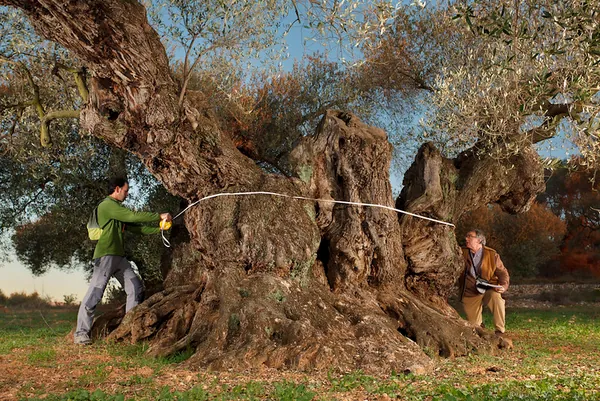
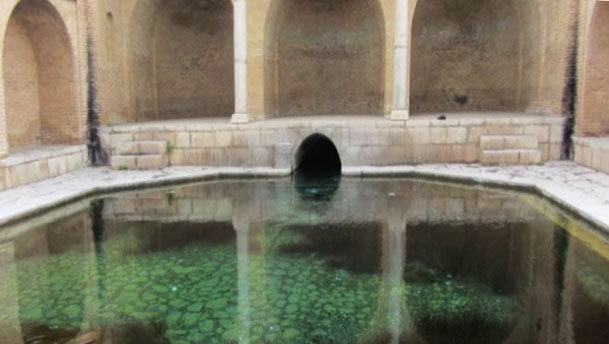
Photo courtesy of GIAHS Qanat Irrigated Agricultural Heritage Systems, Kashan.
Featured Criteria
Criterion 5. Living Practice of Cooperation
Sites shall embody cooperation as a living tradition, encouraging participation, democratic practice, and mutual aid, beyond static commemoration.
Criterion 8. Community and Member Engagement
Sites shall be embedded within their communities, ensuring active participation, ownership, and collective stewardship by local members and residents.
Criterion 12. Sustainability and Inclusivity
Sites shall embody cooperative values of social and environmental sustainability, including, gender equity, youth engagement, and cultural diversity.
Learn More